
The Founding of YouTube A Short History
YouTube is one of the most influential platforms in modern media, but its origin story is surprisingly simple: a small team wanted an easier way to share video online. In the early 2000s, uploading and sending video files was slow, formats were inconsistent, and most websites weren’t built for smooth playback. YouTube’s founders focused on removing those barriers—making video sharing as easy as sending a link.
Who Founded YouTube?
YouTube was founded by three former PayPal employees: Chad Hurley, Steve Chen, and Jawed Karim. They combined product thinking, engineering skills, and a clear user goal: create a website where anyone could upload a video and watch it instantly in a browser.
- Chad Hurley — product/design focus and early CEO role
- Steve Chen — engineering and infrastructure
- Jawed Karim — engineering and early concept support
The Problem YouTube Solved
At the time, sharing video often meant emailing huge files or dealing with complicated players and downloads. YouTube made video:
- Uploadable by non-experts (simple interface)
- Streamable in the browser (no special setup)
- Sharable through links and embedding on other sites
Early Growth and the First Video
YouTube launched publicly in 2005. One of the most famous early moments was the first uploaded video, “Me at the zoo,” featuring co-founder Jawed Karim. The clip was short and casual—exactly the kind of everyday content that proved the platform’s big idea: ordinary people could publish video without needing a studio.
Key Milestones Timeline
| 2005 | YouTube is founded and launches | Introduced easy browser-based video sharing |
| 2005 | “Me at the zoo” is uploaded | Became a symbol of user-generated video culture |
| 2006 | Google acquires YouTube | Provided resources to scale hosting and global reach |
Why Google Bought YouTube
By 2006, YouTube’s traffic was exploding. Video hosting is expensive—bandwidth and storage costs rise fast when millions of people watch content daily. Google’s acquisition gave YouTube the infrastructure and advertising ecosystem to grow into a sustainable business.
What YouTube’s Founding Changed
YouTube didn’t just create a popular website; it reshaped how people learn, entertain themselves, and build careers online. Its founding helped accelerate:
- Creator-driven media and influencer culture
- How-to education and free tutorials at massive scale
- Music discovery, commentary, and global community trends
From a small startup idea to a global video powerhouse, YouTube’s founding is a classic example of a simple product solving a real problem—and changing the internet in the process.

Measurable Impact: Turning Trust into Organisational Performance
Stop treating all stakeholders equally: a five-step framework to map, prioritise, and drive organisational performance.
Our March article, Reconnecting the Feedback Cycle–Turning Disconnected Loops into Performance Drivers, highlighted how robust feedback cycles nurture stakeholder relationships, fostering trust and ultimately elevating organisational performance. We implied that amplified systemic feedback strengthens these bonds, creating a virtuous cycle of mutual benefit.



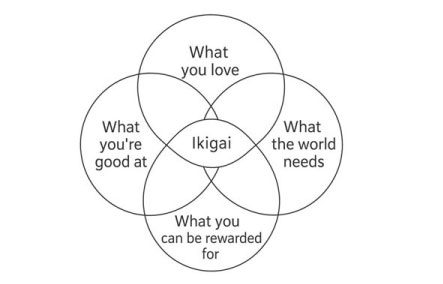
From My Ikigai to Our 2026 – Aligning personal purpose and organisational mission
Our December blog piece, ‘Closing 2025 with a Collective Performance Mirror’, assessed whether workplace relationships had strengthened or weakened organisational cohesion. This month, the focus is on: How can individuals’ purposes actively advance the organisational mission, and why is this alignment now critical? This is a critical factor that can’t be ignored.