
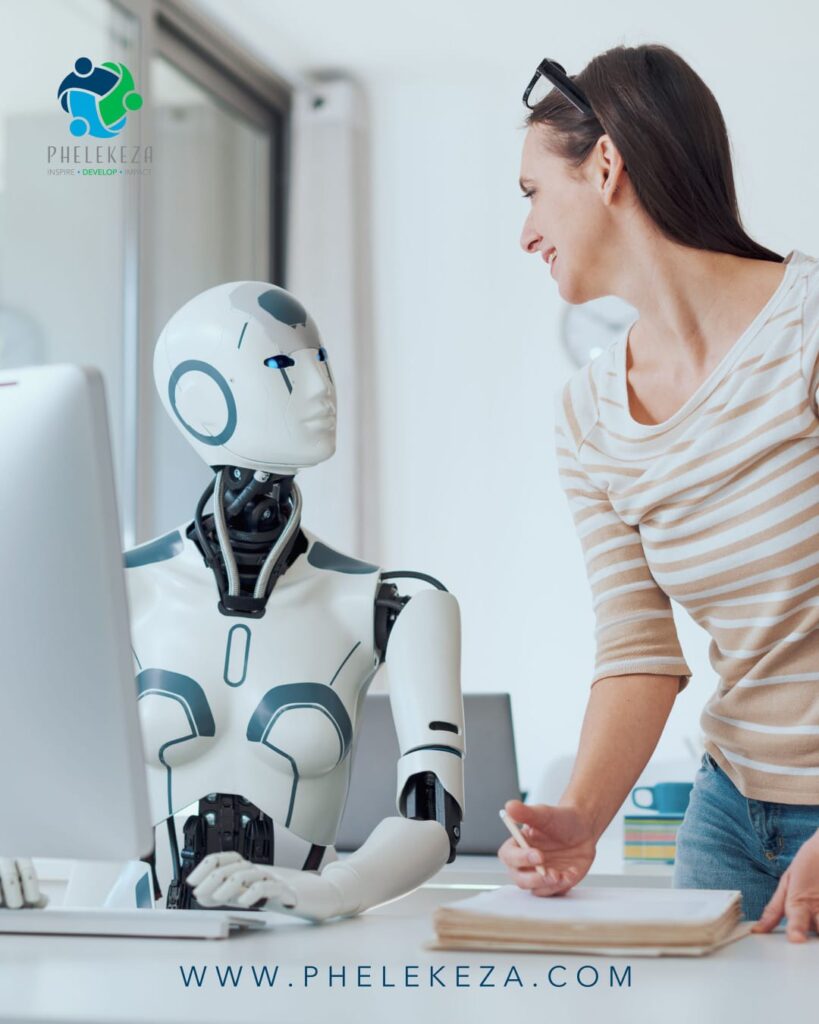
AI’s impact on future workplaces: challenges ahead
- “AI can enhance efficiency, but it can’t replace human expertise in leadership and decision-making.”
- “Balancing technology with emotional intelligence and critical thinking will help organisations thrive in the future.”
Read More
As the world evolves, two transformative forces that continue to have a significant impact on workplaces are artificial intelligence (AI) and one of its subsets, large language models (LLMs). However, while AI offers immense potential, its integration into the workplace raises crucial questions—especially concerning the preservation of human-centric skills such as emotional intelligence and critical thinking. AI/LLM in the workplace: benefits & drawbacks The question at hand isn’t whether AI is beneficial. It’s been proven that when it comes to automating repetitive tasks, AI allows employees to focus on more strategic, creative, and value-driven responsibilities. Technology also empowers decision-making by providing instant access to vast datasets and generating insights that would otherwise take considerable time to uncover. For example, HR and talent development experts can leverage AI-driven tools to streamline psychometric assessments or tailor professional development programs more efficiently. However, if unchecked, AI has its risks. Over-reliance on these technologies can unintentionally dampen creativity and originality. If employees increasingly defer to AI-generated outputs, there is a risk of cultivating a homogeneous work culture where authentic, innovative thinking becomes less prevalent. This is particularly concerning in leadership development and talent management, where human judgment and nuanced decision-making are indispensable. Why critical thinking matters One of the key concerns is the potential erosion of critical thinking skills. These technologies, though powerful, are not equipped to evaluate context, challenge assumptions, or make ethical decisions—hence human involvement is crucial. Critical thinking enables individuals to assess the validity of AI-generated content, ensuring it aligns with organisational goals and values. For instance, while an LLM might generate a thorough training manual, HR professionals ensure that the manual meets the specific needs of their workforce. Without this critical oversight, there is a risk of implementing solutions that, although technically sound, may be irrelevant or counterproductive in a given context. The role of Emotional Intelligence (EI) While AI and LLMs excel at processing data and generating text, they fall short in areas requiring emotional intelligence—such as leadership, team dynamics, and stakeholder engagement. These processes are inherently human, requiring empathy, self-awareness, and interpersonal skills. For example, AI can identify development gaps using psychometric data but cannot guide an employee through a challenging career transition with the multi-layered understanding that a human mentor can provide. As such, organisations must strike a careful balance by leveraging AI capabilities without neglecting the development of human-centric skills. Investing in soft skills development programs is key—programs that enhance self-awareness, emotional intelligence, and interpersonal skills ensure that employees are not only technically proficient but also effective leaders, collaborators, and communicators—traits that are critical for long-term organisational success. Implementing AI and LLMs can boost organisational efficiency and decision-making, but can’t replace human expertise. Cultivating a workplace culture that blends technological innovation with essential human skills will help organisations navigate the future with agility, creativity, and resilience. 